What actually happens during a professional facial, from someone who gives them
People walk into the treatment room with one of two ideas about facials. Either it is a fluffy hour of being pampered with no real effect, or it is a mysterious clinical procedure they are slightly nervous about. After years behind the treatment table, I can tell you it is neither. A good professional facial is a working session for your skin, and understanding what happens in the room changes how much you get out of it.
Why does the consultation come first?
Before I touch anyone’s face, I look at it and ask questions. This is not filler. Skin is not a fixed thing you can treat from a script. The same client can arrive dehydrated in winter and congested in summer, and the right treatment for each is different. A rushed facial that skips this step is guessing.
The consultation is where I read what the skin actually needs that day, not what a package promised weeks ago. If you are booking an appointment, the diagnostic conversation is the part that makes the rest worthwhile. A well-structured option like the professional facial treatment booking at a specialist studio builds that assessment into the session rather than treating it as an upsell, which is exactly how it should work.
What is the therapist doing with all that touching?
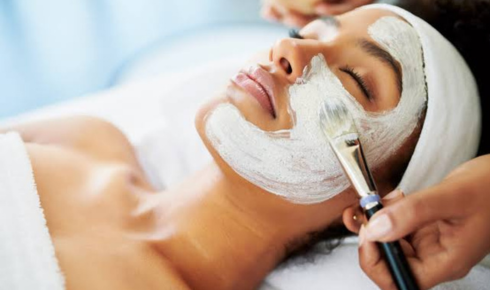
From the client’s side, a facial can feel like a pleasant blur of warm cloths and product. From my side, every step has a job. Cleansing removes the day so I can see and treat the real surface. Exfoliation clears the dead cell layer that dulls the skin and blocks everything else from working. Extraction, done properly and sparingly, relieves congestion that would otherwise become a breakout.
Then come the targeted steps: serums chosen for the day’s condition, a mask matched to the goal, and massage that is not just relaxing but genuinely functional. Facial massage supports circulation and lymphatic movement, which is part of why skin looks brighter and less puffy afterward. Nothing in a well-run facial is decorative. The pampering feeling is a pleasant side effect of steps that each have a purpose.
Will one facial transform my skin?
Honestly, no, and be cautious of anyone who promises it will. A single facial gives you a real but temporary boost: cleaner pores, brighter tone, better hydration, a glow that photographs well for an event. That is a legitimate reason to book one, and no small thing before a wedding or a big day.
The deeper changes come from rhythm. Skin renews on a cycle of several weeks, so a treatment every four to six weeks works with that biology rather than against it. Think of it the way you think of a good haircut or dental cleaning. The magic is not in any single visit. It is in the maintenance, supported by what you do at home between appointments.
How do I choose the right treatment to book?
Match the treatment to your actual goal, not the fanciest name on the menu. If your skin is stressed, congested, or you are new to professional care, a thorough foundational facial that includes a real assessment is usually the smart starting point. It gives the therapist a baseline and gives you an honest read on what your skin needs before you commit to anything more intensive.
Ask a few questions when you book. Does the treatment include a consultation? Is the therapist trained in the product line they are using? Will they recommend a home routine, or does the relationship end when you leave? A studio that answers these confidently is one that treats skincare as a practice rather than a transaction. Brands with serious professional training programs tend to attract therapists who take this seriously.
What should I do before and after?
Before, keep it simple. Avoid strong exfoliating acids or retinoids for a couple of days so your skin is not already sensitized, arrive with a clean face if you can, and mention any recent treatments or reactions. If you have an event, book several days ahead rather than the morning of, since some skin likes to purge a little first.
After, protect the work. Your skin is freshly exfoliated and more receptive, so daily sun protection matters even more than usual. Skip heavy actives for a day, keep the routine gentle, and drink water. The hours after a facial are when your at-home products absorb best, which is exactly why a good therapist will tell you what to use and what to pause.
What if my skin breaks out afterward?
It happens, and it is usually misunderstood. When extraction clears congestion that was sitting under the surface, some of it can surface in the following days before it settles. Therapists call this purging, and it is different from a reaction. A true reaction shows up as redness, stinging, or itching that does not calm down, and that is worth a message to your therapist. A small crop of blemishes that clears within a week is often just the skin finishing what the treatment started.
This is another reason the timing of a facial matters. If you have a major event, I would rather see you a week ahead than the day before, precisely so any purging has time to pass and you arrive at the event with the calm, even skin the facial was meant to produce. Booking with that buffer built in is a small piece of planning that saves a lot of anxiety.
The same logic applies to a first appointment with a new therapist. Your skin is meeting an unfamiliar routine, and it is smart to give it room to respond before you judge the result or schedule anything time-sensitive. Once you and your therapist understand how your skin behaves, the treatments become more predictable and you can plan them around your calendar with confidence rather than crossing your fingers.
Is it worth the money?
That depends on what you expect from it. If you want a permanent fix from one visit, you will be disappointed, and so would I be. But if you view a facial as maintenance for the largest organ you own, guided by someone trained to read it, the value is easy to see. You get expert eyes on your skin, treatment calibrated to its current state, and a home plan that makes your own products work harder.
The clients who get the most out of professional facials are the ones who treat them as a partnership. They book with intention, they follow the between-visit advice, and they let the therapist adjust the plan as their skin changes through the year. Do that, and the treatment room stops being an occasional indulgence and becomes one of the most practical things you do for your skin. Book it that way, and you will feel the difference long after the glow of the first visit fades.